
Blog

Summertime, and the Surveying Ain’t Easy
Now that winter and even spring have finished thrashing half the country, we can officially enjoy summer. As a laser scanner operator I have a fairly easy job this season due to the limitations of the instrument—at least, it’s easier than being a field surveyor. If you’ve ever worked on a survey crew in the...
Dynamic Text with QGIS Layouts
It’s not until you need it that you realize how much you miss it: such is the case with the Esri ArcGIS dynamic text functionality. On the surface it seemed easy to put a little reference into a text box, and then every time I opened a template or new map it would automatically show...
Surveying Statistics
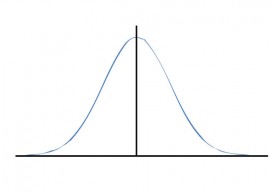
Part 2: The Normal Distribution Part 1 of this series appeared in the May 2015 issue. Errors in observations can be classified as systematic or random. Systematic errors follow physical laws and can be mathematically corrected or removed by following proper field procedures with instruments. For example, the expansion or contraction of a steel tape...

xyHt News Links: 6/19/15
Hemisphere GNSS Debuts Atlas™ – Innovative and Disruptive GNSS Global Correction Service Altus-PS merges into Septentrio Satellite Navigation CHC introduces the industry’s first UAV ground control specific GNSS System GeoCue Now Offers Online Training Courses EagleView & Vista Equity Partners New Geodesy Courses from David Doyle ASPRS Elects Rebecca Morton as Vice President Trimble Expands UAS...
Comparing Maps a New Way
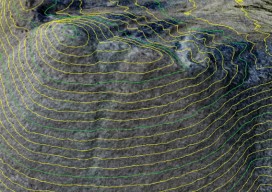
Above: The new standards are independent of map scale or contour interval and provide a way to deal with lidar data. ASPRS releases new positional accuracy standards. The positional accuracy of geospatial technologies has improved dramatically in the past few decades, and digital maps have replaced paper maps, making old ways of comparing maps obsolete. Satellite...
The Normal Distribution, Part 1
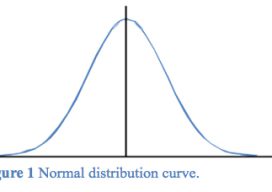
Errors in observations can be classified as systematic or random. Systematic errors are errors that follow physical laws and can be mathematically corrected or removed by following proper field procedures with instruments. For example, the expansion or contraction of a steel tape caused by temperatures that differ from the tape’s standard temperature is a systematic...
Advertisement